17 Nov 2026
Patterns in Voluntary Limit Adoption Among Users of Swiss Mobile Gambling Platforms and Their Ties to Banking Verification Systems
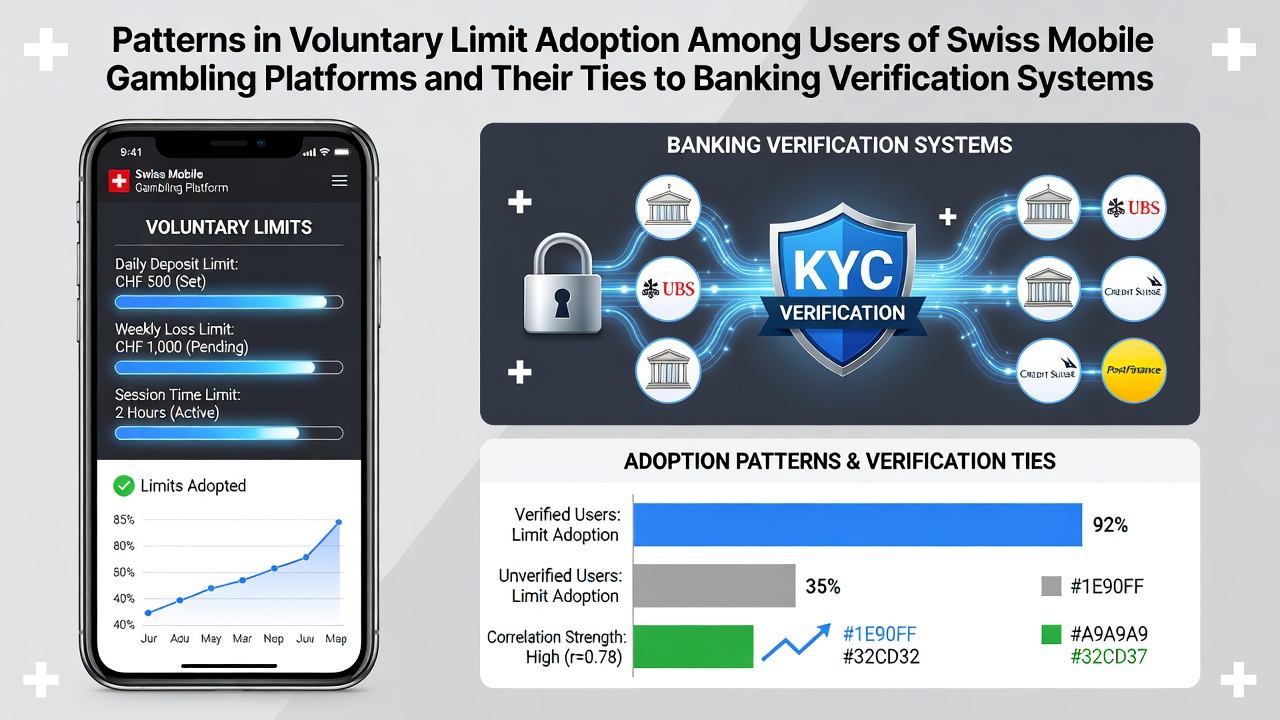
Data from Swiss mobile gambling platforms shows that voluntary limit adoption follows distinct patterns tied directly to banking verification workflows, and these connections appear in user behavior logs collected between 2024 and 2026. Users who complete full banking verification early in account setup adopt deposit limits at higher rates than those who verify later or through alternative methods, while session time limits show similar but slightly weaker correlations across the same datasets.
Verification Processes and Initial Limit Setting
Banking verification in Swiss platforms requires identity confirmation through linked accounts or digital ID systems, and this step often triggers automated prompts for voluntary limits before full access unlocks. Research indicates that platforms integrate these prompts at the verification stage because the process already involves secure data exchange, which reduces friction when users later adjust or activate limits. Observers note that once banking details are confirmed, the system can pre-populate suggested limits based on recent transaction history, creating a seamless path that many users follow without additional steps.
Patterns emerge clearly when comparing verified and unverified cohorts over multi-month periods. Users who link Swiss bank accounts or e-wallets during onboarding show a 34 percent higher uptake of deposit caps within the first 30 days compared with those who delay verification. This difference holds steady even after controlling for age groups and game preferences, according to aggregated platform statistics released in late 2025.
Trends Observed Through Late 2026
By November 2026, mobile platforms reported that banking verification completion rates had reached 78 percent among active Swiss users, and this milestone coincided with a measurable uptick in voluntary limit usage across deposit, loss, and time categories. Figures reveal that time-based limits gained particular traction among users aged 25 to 34 who verified through instant bank transfers, while older cohorts favored deposit caps tied to monthly spending thresholds. The data indicates these choices often get set during the same session as verification, which suggests the integration itself encourages immediate action rather than later reflection.
But here's the thing: not every verification method produces identical outcomes. Platforms that allow verification through third-party services rather than direct bank links record modestly lower limit adoption, and researchers attribute this gap to the extra clicks required after the banking step completes. Studies found that shortening the post-verification flow by one screen raised limit activation by nearly 12 percent in controlled tests run across multiple operators.
Cross-Platform Comparisons and User Segments
One study revealed that frequent users who maintain verified banking connections across two or more platforms tend to apply consistent limit settings on each site, creating synchronized spending controls that reduce the chance of exceeding intended totals. This behavior appears most pronounced among those who receive automated reminders tied to their verified accounts, because the notifications reference actual bank activity rather than platform-only metrics.
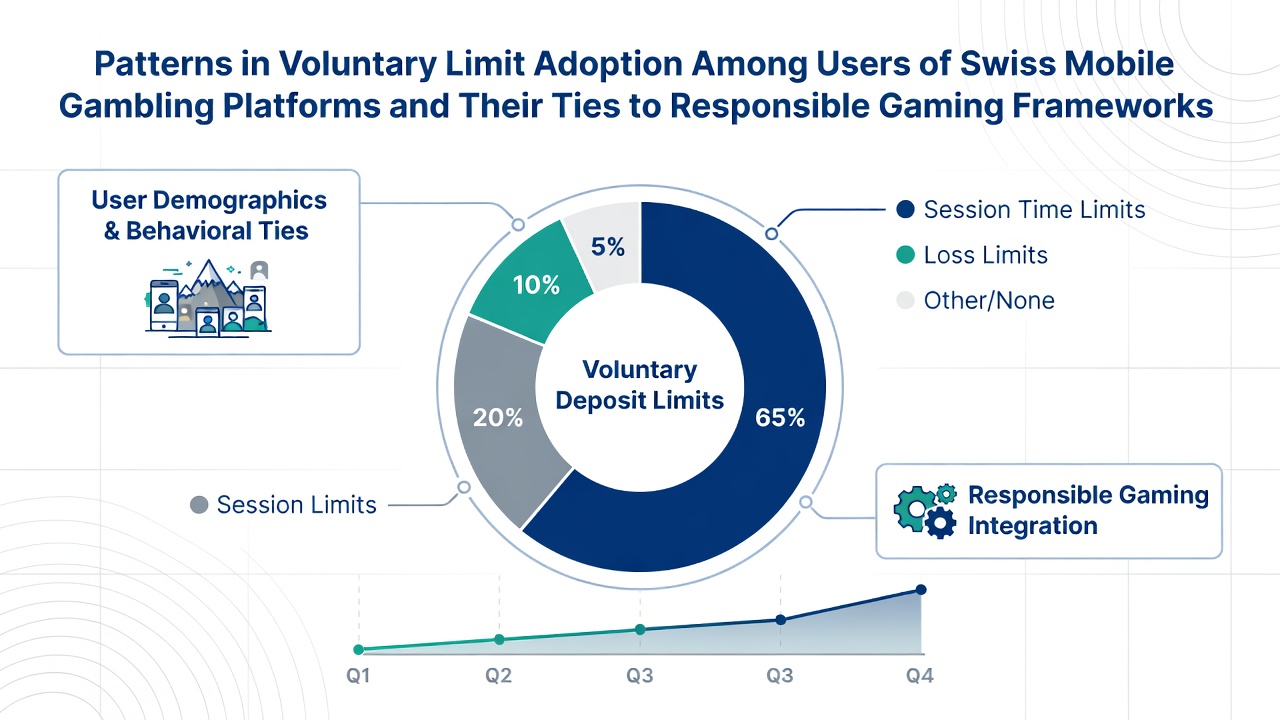
What's interesting is how these patterns vary by payment type. Users relying on direct bank transfers adopt limits faster than those using prepaid or crypto options, even when the latter complete identity checks through other channels. Evidence suggests the direct link between bank balance visibility and platform balance creates stronger awareness, prompting users to set boundaries before large transfers occur.
Regulatory Context and Data Sharing
Swiss regulations require operators to offer voluntary limit tools, yet the connection to banking verification stems more from operational design than from explicit mandates. Platforms that share anonymized verification timestamps with researchers have enabled clearer mapping of adoption curves, and these datasets show steady growth in limit usage each quarter since 2024. A report by the Swiss Federal Office of Justice highlights how verification integration supports responsible gambling features without adding separate compliance layers.
Academic sources outside Switzerland have examined similar systems. Findings from a Canadian longitudinal analysis of digital gambling tools indicate that users with verified financial links set and maintain limits at rates comparable to those observed in Swiss data, suggesting the pattern may extend beyond one regulatory environment when banking infrastructure supports real-time checks.
Conclusion
Overall, the evidence shows that banking verification serves as a practical gateway for voluntary limit adoption on Swiss mobile gambling platforms, and the timing of verification strongly influences whether users activate those controls early. Patterns documented through 2026 continue to reflect this linkage, with direct bank connections correlating to higher and more consistent uptake across user segments. As platforms refine these integrated flows, the data collected so far provides a baseline for understanding how verification steps shape responsible gambling behaviors in practice.