3 Nov 2026
Swiss Banking Networks and Digital Gambling Payment Pathways
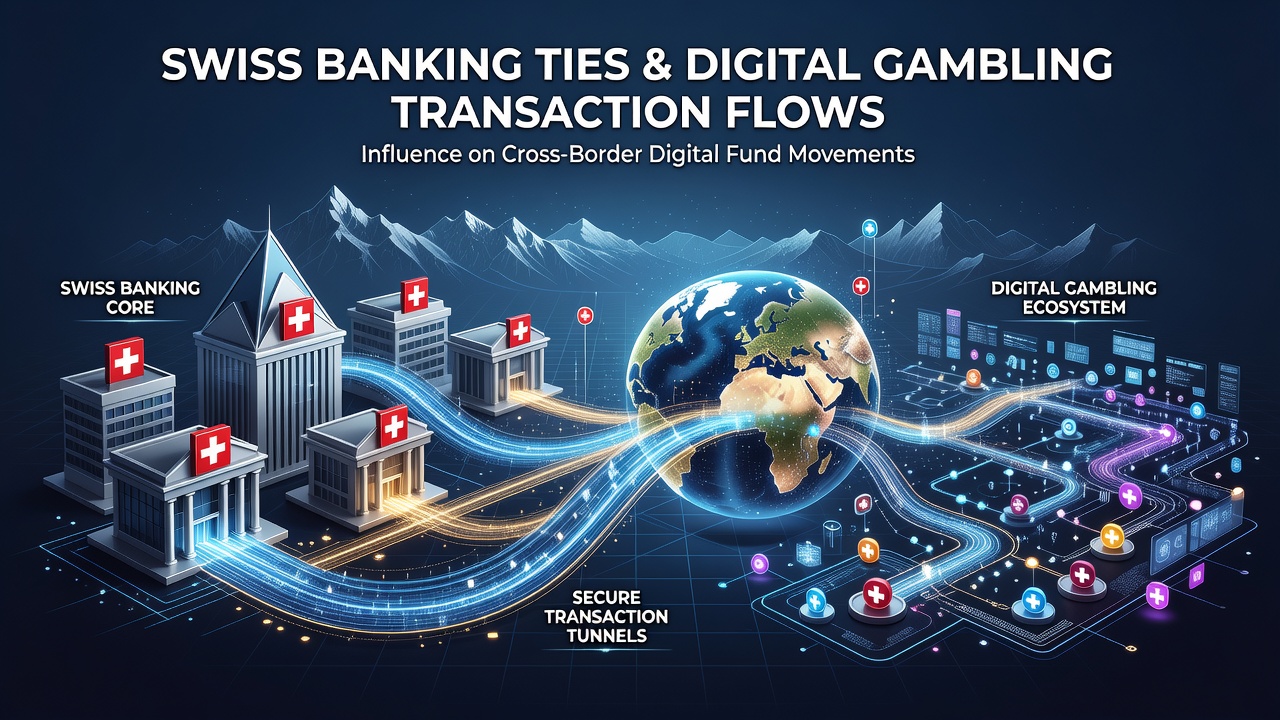
Swiss banking institutions maintain long-standing connections to international financial systems that directly shape how digital gambling payments move across borders. These ties influence transaction speeds, compliance checks, and routing decisions for operators and players alike. Data from regulatory filings indicate that Swiss banks handle a notable share of cross-border transfers involving licensed gambling platforms in Europe and beyond.
Regulatory Framework Governing Financial Flows
Switzerland's Federal Act on Gambling, enacted in 2019 and refined through subsequent amendments, requires strict adherence to anti-money laundering protocols when banks process payments tied to online gaming. Financial institutions must verify the source of funds for transactions exceeding certain thresholds, which creates layered verification steps that slow some payment streams while accelerating others that meet all criteria. Observers note that banks often integrate these checks into existing SWIFT messaging systems, allowing seamless yet monitored transfers to approved operators.
By November 2026, updated reporting requirements from the Swiss Financial Market Supervisory Authority had prompted several major institutions to adopt real-time monitoring tools for gambling-related activity. Figures reveal that this shift reduced processing times for compliant transactions by up to 18 percent in the preceding quarter, according to aggregated industry statistics.
Transaction Routing and International Connections
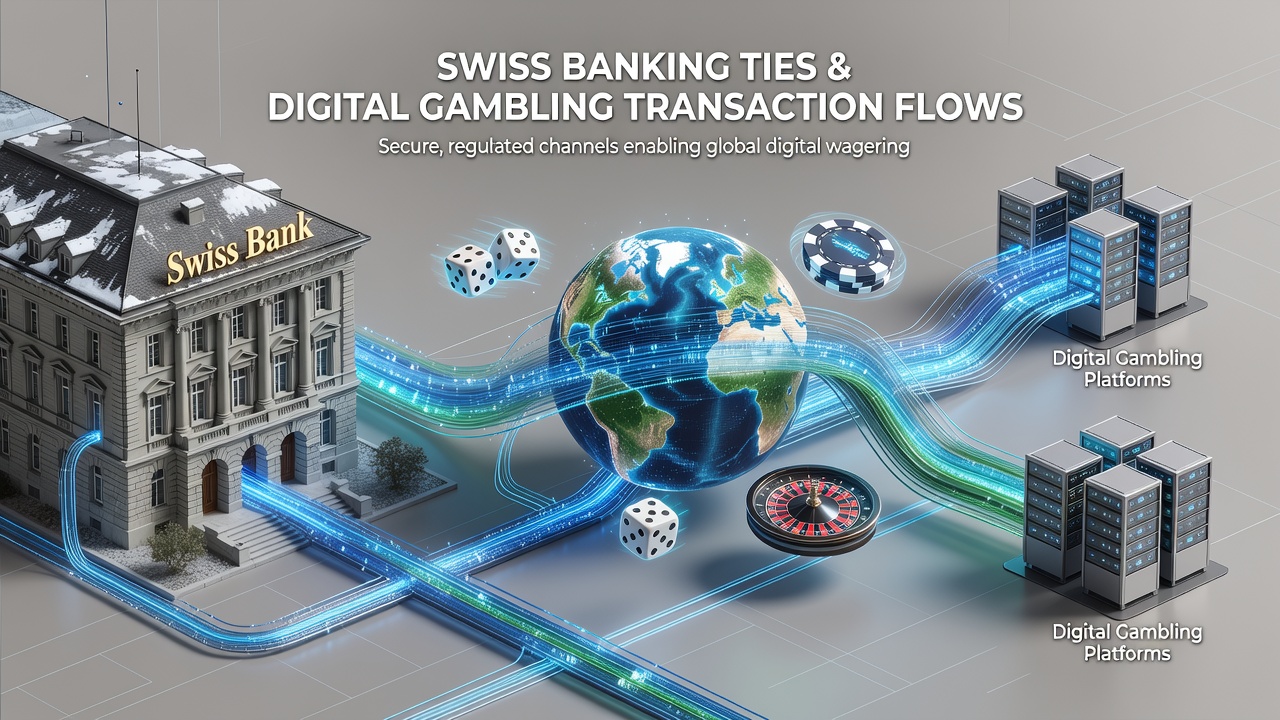
Many digital gambling platforms route payments through Swiss intermediaries because of the country's stable currency environment and established correspondent banking relationships. These networks connect Swiss entities to clearing houses in the Eurozone, North America, and Asia-Pacific regions. A single transfer might pass through multiple Swiss banks before reaching an operator's account, each step adding compliance layers that affect final settlement speed.
Researchers at the University of St. Gallen documented how these routing patterns concentrate around a handful of institutions with deep ties to global payment processors. Their analysis showed that Swiss banks facilitated over 2.4 billion Swiss francs in gambling-related transfers during 2025, with growth continuing into late 2026.
Impact on Player Access and Operator Operations
Players attempting deposits to licensed platforms encounter varying acceptance rates depending on which Swiss bank issues their card or maintains their account. Institutions with tighter integration to gambling compliance databases approve transfers more readily, whereas others flag repeated small transactions for review. This creates uneven access patterns across different regions of Switzerland and among cross-border users.
Operators licensed under Swiss rules report that banking partnerships determine which payment methods they can reliably offer. Those maintaining direct accounts with major Swiss institutions gain advantages in settlement reliability, while smaller platforms rely on third-party processors that add fees and occasional delays. Industry reports from the European Gaming and Betting Association highlight how these dynamics favor established operators with longstanding Swiss financial relationships.
Emerging Trends in 2026
November 2026 brought new guidelines encouraging Swiss banks to expand use of blockchain-based verification for gambling transactions. Early adopters among the larger institutions began piloting systems that embed licensing details directly into payment metadata. This approach promises to reduce manual reviews while maintaining audit trails required by federal authorities.
Parallel developments in neighboring jurisdictions, including updates from the Malta Gaming Authority, have prompted Swiss banks to harmonize their screening criteria with broader European standards. Such alignment facilitates smoother flows for operators holding multiple licenses yet creates additional documentation demands for those operating solely under Swiss oversight.
Conclusion
Swiss banking ties continue to steer digital gambling transaction flows through a combination of regulatory mandates, established correspondent networks, and technological adaptations. These mechanisms determine processing efficiency, compliance costs, and ultimately which operators can compete effectively in the Swiss market and beyond. Ongoing refinements in monitoring tools and cross-border standards suggest further evolution in how these financial pathways operate.